<-  All posts

Why We Get Colds, and How We Can Protect Ourselves

Thursday 2 July, 2026      |     Read Time: 6 mins

Beth Wright

Sneezes, Sniffles, and Science

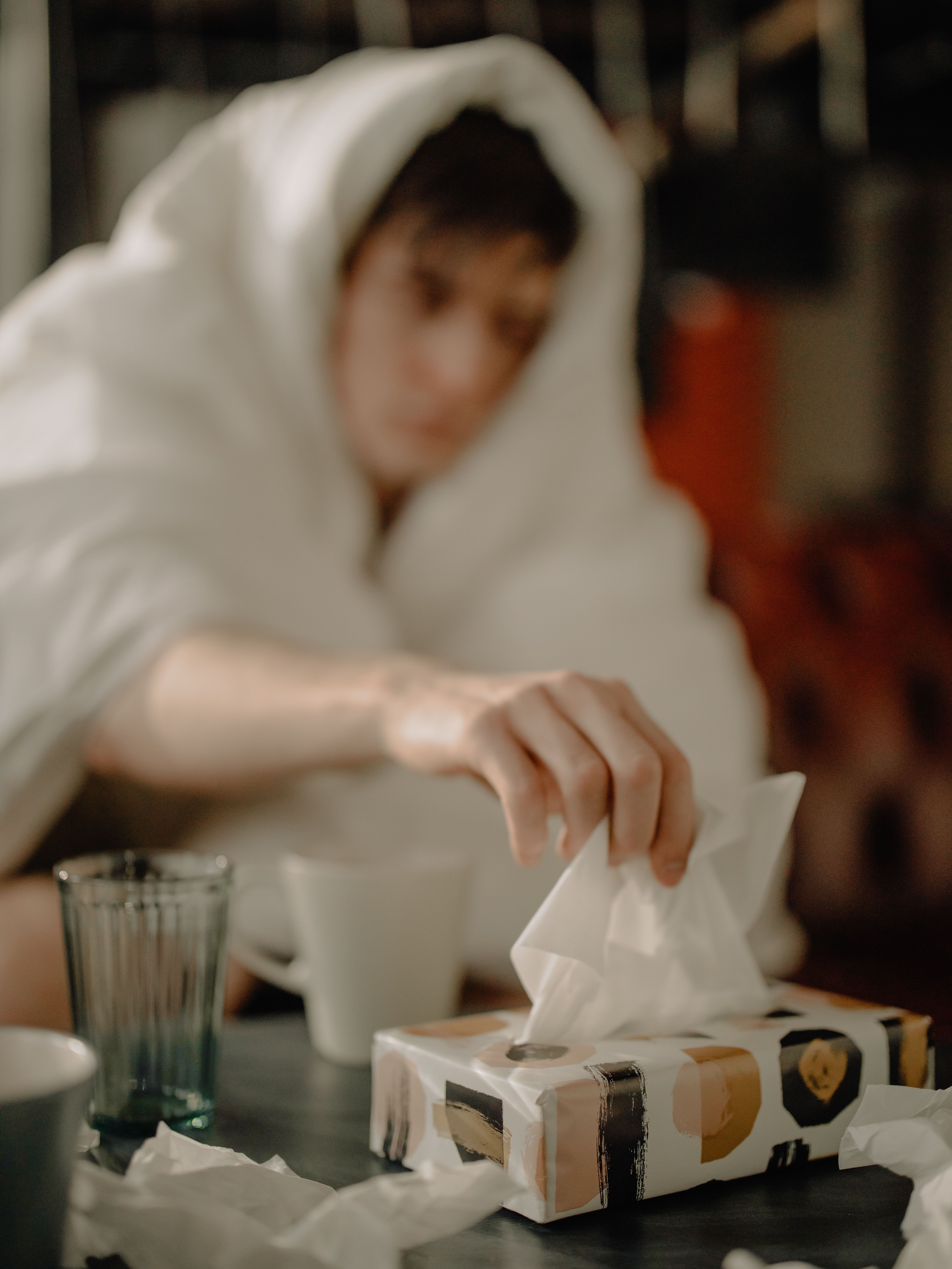
We’ve all experienced it: the telltale cough, the sneezing, the runny nose and sore throat, and that feeling when you realise you’ll probably be next… as you watch a colleague reaching for their 5th tissue…

It seems that everyone has questions about the cold they aren’t 100% certain on, with myths that have perpetuated over generations and continue even today. Is it the weather? Did that one colleague really just infect the whole office? And what about those age-old home remedies?

The common cold is one of the most widespread acute illnesses today. But what actually causes the common cold, and do traditional remedies like lemon and honey tea really work?

In this blog, we’ll unravel the science behind the cold, separate fact from myth, and share practical ways to protect yourself.

Back to basics: What actually causes a cold

Despite its name, ‘the cold’ is not caused by cold weather or getting wet in the rain.

Well, not directly anyhow.

The real culprits are viruses. In fact, there are over 200 different types of cold-causing viruses with the most common offender being ‘rhinoviruses’, although coronaviruses (implicated in 7-18% of colds [1]), adenoviruses, and respiratory syncytial viruses (RSV) are also contenders in the cold season ring [2].

It’s not just the viruses themselves that are found in multitudes, the idioms in the English language alone for ‘catching a chill’ are found in the hundreds. From ‘catching a bug’ to being ‘bunged up’ and even feeling like ‘death warmed over’.

But can we really call viruses ‘bugs’?

Of course, although, calling viruses ‘bugs’ can be misleading since our cold-causing rhinoviruses are not even considered living. Viruses are officially termed ‘obligate intracellular parasites’ since they require a host (AKA us) in order to undergo any sort of reproduction or replication.

As part of their reproductive lifecycle, rhinoviruses spread through person-to-person contact via inhalation or eye/mouth contact (I don’t think I need to remind you why washing your hands is important). Once inside the nasal or oral cavity, the viruses attach to and invade the cells lining your respiratory tract nose and throat [1]. Here they release their genetic material, RNA or ssDNA (single-stranded DNA) which is mistakenly read by our cells alongside our normal protein-building instructions, resulting in the production of the building block required to synthesise and release more viruses and infect more cells.

And the cycle repeats.

Your body is responsible for the symptoms of a cold

A common misconception is that the virus itself produces the common symptoms associated with a cold, but it's really your own immune system reacting to the virus.

When your immune system detects the virus, it sends signals to different immune cells to defend against the invader. This triggers an aggressive response by your body aimed at eliminating the virus, with the symptoms we associate with a cold being the predominant side effects of an immune system working hard to prevent the spread of viral particles.

A runny nose is a good example of this symptomatic response: inflammation resulting from the immune cell signalling causes the blood vessels in your nose to become leaky and ramps up mucus production [3].

So next time you have a runny nose, maybe take a second to be grateful for the work of your mucus in trapping virus particles and flushing them out of your airways, including your nose.

Similarly, coughing is a protective reflex that helps clear irritants, mucus, and virus particles from your respiratory system [3]. Both feel unpleasant, but they're signs of your body’s defense system doing its job.

The flu and the common cold are not the same thing

A common misconception is that the flu (short for influenza) is simply a "bad cold." In reality, influenza and the common cold are distinct diseases caused by entirely different families of viruses, with meaningfully different consequences for the body.

The flu is caused exclusively by influenza A or B viruses, which possess the capacity to infect both the upper and lower respiratory tracts. Influenza A viruses, in particular, bind to sialic acid receptors expressed throughout the airway epithelium, from the nasal mucosa down to the bronchioles and alveoli, allowing the virus to penetrate deep into the lungs [4]. This wider anatomical reach triggers a far more amplified immune response: the release of large quantities of pro-inflammatory cytokines (including interferon-gamma, TNF-α, and IL-6) produces the systemic symptoms that characterise flu, symptoms that are largely absent in the common cold [5]:

  • Intense fatigue
  • High fever
  • Myalgia (muscle pain)
  • Headaches

This broader immune activation also carries risk. In vulnerable individuals, such as the elderly, the immunocompromised, pregnant women, and those with underlying respiratory or cardiovascular conditions, the inflammatory response to influenza can overwhelm the lungs' capacity to recover, leading to serious complications including viral pneumonia, secondary bacterial pneumonia, acute respiratory distress syndrome (ARDS), and, in the most severe cases, death [5].

The distinction matters clinically: it informs triage decisions, guides the use of antiviral therapy (which is effective against influenza but not colds), and shapes public health responses including vaccination programs.

In saying that - where is our cold vaccine?

With over 200 different viruses likely causing cold symptoms, 1 single vaccine to prevent them all poses significant challenges, but when has that ever stopped scientists?

The future of cold treatments: a universal vaccine?

Scientists are working on a ‘universal vaccine’ to protect against many different lung infections. In the study, the vaccinated mice were protected SARS-CoV-2, SARS, SCH014 coronavirus, as well as some bacteria and allergens [6], after a single treatment.

While still early research, this approach could one day lead to broader, longer-lasting protection against common respiratory illnesses.

Getting sick in the rain - fact or fiction?

You can’t catch a cold from being wet or cold alone… viruses are required.

So, where does the myth come from?

While being rained on or being cold may not necessarily make you sick, the cold can lower your nasal tissue temperature, with one study finding that just a 5oC drop in temperature can reduce the immune response. Hence, a nose that is too cold may result in weakened immune system, which can make you more slightly more susceptible if exposed to a virus [7]. A similar consequence is likely observed with venturing into the cold with wet hair.

Interestingly, reduced external temperature has implications in hospitals, with unintended drops in perioperative body temperature significantly increasing the risk of infection [8,9].

Not to mention, being indoors more often during the winter months can increase the risk of getting ill since enclosed spaces lack the necessary ventilation to disperse airborne viruses, increasing the likelihood of inhalation [10].

And let’s clarify one other old-wives tale while we’re at it.

Drinking milk has not been shown to increase your mucus or phlegm production. The sensation of increased phlegm is largely due to dairy combining with saliva to create a thick liquid that can coat the back of the throat [11,12].

Why you get sick when the seasons change

Of course, it is not just being cold that can impact your immune system.

The health of your immune system, and its ability to combat virals infection is affected by many factors.

Can Home Remedies Cure Colds?

You probably have a trusty go-to remedy for when the sniffles begin… Here’s what science says:

  • Lemon and honey is soothing, hydrating, and good for a sore throat, but won’t kill viruses.
  • Ginger possesses beneficial compounds that may ease symptoms, but won’t cure your sickness
  • Chicken soup may reduce immune suppression by improving blood flow, increasing the proportion and secretions of immune cells like T cells and B cells (likely thanks to the high content and types of proteins present).

Nevertheless, you have to wait for your body to clear it on its own and apart from easing symptoms, feeling ill is a part of the process and a little extra nutrition can go a long way. For instance, 2013 review found that taking vitamin C regularly can promote small improvements in symptoms when ill, granted, further research is needed [13,14], and zinc supplements following illness onset has been suggested to reduce the duration of colds [13,15].

Essentially, home remedies may ease symptoms but don’t cure the cold.

Personally, I am not going to stop drinking lemon honey tea anytime soon.

The antibiotic overprescription problem

On the topic of honey tea, honey does hold some antibiotic properties [17], yet when it comes to colds this will not do a great deal…

Although bacterial throat infections continue to pose serious risks, common colds are predominantly virally-caused and antibiotics (designed to specifically target bacteria, not viruses) provide little in the way of combatting them.

This seems obvious, but one of the greatest challenges faced by humanity to date is the increasing resistance to antibiotics. In some ways this is a partial consequence of antibiotic overprescription for diseases such as common colds.

Looking at the devastating consequences of antibiotic resistance alone, the importance of antibiotic stewardship is evident, although adverse events from unnecessary use of antibiotics alone are enough of a warning, and include diarrhea, candidiasis and even clostridium difficile infections (CDI) [16].

Why Cold Medicine Won’t Cure your Cold

Cold medicines are typically designed to relieve the symptoms of a cold, not necessarily the cause of the cold itself.

They don’t shorten the course of the virus, but they can make it more bearable while your immune system fights off the infection. For instance, decongestants may reduce nasal swelling, making it easier to breathe, alongside your typical painkillers to address headaches, sore throats, or body aches.

However, it is vital to continue to nourish and look after your body, even if symptoms are reduced - as the infection remains and rest is still essential for recovery. It should equally be noted that keeping away from your coworkers whilst sick may help put you in the good books.

Preventing Colds: What Really Works

Prevention is far more effective than cure. Ultimately, it’s the little things that research says will win out:

  1. Basic hygiene: Regular handwashing, avoiding touching your face, and covering coughs and sneezes reduce viral transmission [18].
  2. Sleep: Adequate rest strengthens immune defenses, making it harder for viruses to take hold.
  3. Nutrition: A balanced diet with fruits, vegetables, and sufficient protein supports immune function (even zinc supplementation may reduce cold and flu duration).
  4. Stress management: Chronic stress weakens immunity, increasing susceptibility [19].

Bottom Line: Fighting Back

Two hundred viruses. No cure. A vaccine that doesn't exist yet. And yet somehow, every single year, most of us recover just fine.

The common cold is a reminder that our bodies are doing something extraordinary, quietly, without us asking. For now, the most evidence-based thing you can do is also the least exciting: wash your hands, sleep well, eat well, and stay home when you're sick. Your colleagues will thank you, even if they never say so.

So, drink the lemon honey tea. Not because it will cure you, but because you deserve something warm while your immune system handles the heavy lifting.

Disclaimer: The content provided on Diag-Nose.io is intended solely for informational and educational purposes. It does not constitute, and should not be relied upon as, medical advice, diagnosis, or treatment. Every effort is made to ensure the information provided is accurate and up-to-date. Users should consult a licensed physician or qualified healthcare provider before making any health-related decisions.

References

  1. Esneau C, Duff AC, Bartlett NW. Understanding Rhinovirus Circulation and Impact on Illness. Viruses. 2022; 14(1):141. https://doi.org/10.3390/v14010141
  2. Mäkelä, MJ ∙ Puhakka, T ∙ Ruuskanen, O ∙ et al. Viruses and bacteria in the etiology of the common cold. J Clin Microbiol. 1998; 36:539-542. https://doi.org/10.1128/jcm.36.2.539-542.1998
  3. Eccles R. Understanding the symptoms of the common cold and influenza. Lancet Infect Dis. 2005 Nov;5(11):718-25. doi: 10.1016/S1473-3099(05)70270-X. PMID: 16253889; PMCID: PMC7185637.
  4. Shinya K, et al. Influenza virus receptors in the human airway. Nature. 2006;440(7083):435–436.
  5. Julkunen I, et al. Molecular pathogenesis of influenza A virus infection and virus-induced regulation of cytokine gene expression. Cytokine Growth Factor Rev. 2001;12(2–3):171–180.
  6. Zhang H et al. ,Mucosal vaccination in mice provides protection from diverse respiratory threats.Science0,eaea1260DOI:10.1126/science.aea1260
  7. Cold exposure impairs extracellular vesicle swarm–mediated nasal antiviral immunity - Journal of Allergy and Clinical Immunology
  8. Poveda V, Oliveira R, Galvão C. Perioperative body temperature maintenance and occurrence of surgical site infection: A systematic review with meta-analysis. American Journal of Infection. Control, 2020; 48, 1248-1254
  9. Chen, R., Du, Y., Chen, L. et al. The impact of perioperative hypothermia on surgical site infection risk: a meta-analysis. BMC Anesthesiol 25, 443 (2025). https://doi.org/10.1186/s12871-025-03277-7
  10. Nicholas Clements, Matthew J Binnicker, Véronique L Roger. Indoor Environment and Viral Infections Mayo Clinic Proceedings. 2020 Aug 1. DOI: 10.1016/j.mayocp.2020.05.028. https://pmc.ncbi.nlm.nih.gov/articles/PMC7395586/
  11. Koren Y, Armoni Domany K, Gut G, Hadanny A, Benor S, Tavor O, Sivan Y. Respiratory effects of acute milk consumption among asthmatic and non-asthmatic children: a randomized controlled study. BMC Pediatr. 2020 Sep 12;20(1):433. doi: 10.1186/s12887-020-02319-y. PMID: 32919454; PMCID: PMC7488715. https://pmc.ncbi.nlm.nih.gov/articles/PMC7488715/
  12. Pinnock CB, Graham NM, Mylvaganam A, Douglas RM. Relationship between milk intake and mucus production in adult volunteers challenged with rhinovirus-2. Am Rev Respir Dis. 1990 Feb;141(2):352-6. doi: 10.1164/ajrccm/141.2.352. PMID: 2154152. https://pubmed.ncbi.nlm.nih.gov/2154152/
  13. 5 Tips: Natural Products for the Flu and Colds: What Does the Science Say? National Institutes of Health. 5 Tips: Natural Products for the Flu and Colds: What Does the Science Say? | NCCIH
  14. Hemilä H, Chalker E. Vitamin C for preventing and treating the common cold. Cochrane Database of Systematic Reviews 2013, Issue 1. Art. No.: CD000980. DOI: 10.1002/14651858.CD000980.pub4. Accessed 14 May 2026.
  15. Wang MX, Win SS, Pang J. Zinc Supplementation Reduces Common Cold Duration among Healthy Adults: A Systematic Review of Randomized Controlled Trials with Micronutrients Supplementation. Am J Trop Med Hyg. 2020 Jul;103(1):86-99. doi: 10.4269/ajtmh.19-0718. Epub 2020 Apr 23. PMID: 32342851; PMCID: PMC7356429.
  16. Carmichael H, Asch SM, Bendavid E. Clostridium difficile and other adverse events from overprescribed antibiotics for acute upper respiratory infection. J Intern Med. 2023;293:470–480.
  17. Albaridi N. A. (2019). Antibacterial Potency of Honey. International journal of microbiology, 2019, 2464507. https://doi.org/10.1155/2019/2464507
  18. The common cold - The Lancet Heikkinen T, Järvinen A. The common cold. The Lancet, 361: 51-59
  19. Sheldon C, Tyrrell D, Smith A et al. Psychological Stress and Susceptibility to the Common Cold. New England Journal of Medicine. 1991;325(9):606-612. doi: 10.1056/NEJM199108293250903

About Diag-Nose.io

Diag-Nose.io, founded in 2020, is a TechBio company focused on translating the complexities of the unified airway into precision diagnostic and drug discovery solutions.

Their precision medicine technology combines advanced proteomics, computational biology, and AI (machine learning) to create a scalable respiratory biology model. This innovation aims to help clinicians prescribe the right treatments faster and enable researchers to accelerate the development of new therapies.

The company’s flagship platform, RhinoMAP™, leverages proteomic data to predict respiratory disease activity, monitor therapy response and predict treatment efficacy in advance, with an initial focus on anti-Th2 biologics.

Learn more at Diag-Nose.io

About the author

Beth Wright

Junior Researcher

Beth Wright, a Junior Researcher at Diag-Nose, expertly aims to improve accessibility of medical information and research in the field of Respiratory Disease.

Beth holds a BBiomedSc. from Monash University.

Thursday 2 July, 2026      |     Read Time: 6 mins

Beth Wright

Sneezes, Sniffles, and Science

We’ve all experienced it: the telltale cough, the sneezing, the runny nose and sore throat, and that feeling when you realise you’ll probably be next… as you watch a colleague reaching for their 5th tissue…

It seems that everyone has questions about the cold they aren’t 100% certain on, with myths that have perpetuated over generations and continue even today. Is it the weather? Did that one colleague really just infect the whole office? And what about those age-old home remedies?

The common cold is one of the most widespread acute illnesses today. But what actually causes the common cold, and do traditional remedies like lemon and honey tea really work?

In this blog, we’ll unravel the science behind the cold, separate fact from myth, and share practical ways to protect yourself.

Back to basics: What actually causes a cold

Despite its name, ‘the cold’ is not caused by cold weather or getting wet in the rain.

Well, not directly anyhow.

The real culprits are viruses. In fact, there are over 200 different types of cold-causing viruses with the most common offender being ‘rhinoviruses’, although coronaviruses (implicated in 7-18% of colds [1]), adenoviruses, and respiratory syncytial viruses (RSV) are also contenders in the cold season ring [2].

It’s not just the viruses themselves that are found in multitudes, the idioms in the English language alone for ‘catching a chill’ are found in the hundreds. From ‘catching a bug’ to being ‘bunged up’ and even feeling like ‘death warmed over’.

But can we really call viruses ‘bugs’?

Of course, although, calling viruses ‘bugs’ can be misleading since our cold-causing rhinoviruses are not even considered living. Viruses are officially termed ‘obligate intracellular parasites’ since they require a host (AKA us) in order to undergo any sort of reproduction or replication.

As part of their reproductive lifecycle, rhinoviruses spread through person-to-person contact via inhalation or eye/mouth contact (I don’t think I need to remind you why washing your hands is important). Once inside the nasal or oral cavity, the viruses attach to and invade the cells lining your respiratory tract nose and throat [1]. Here they release their genetic material, RNA or ssDNA (single-stranded DNA) which is mistakenly read by our cells alongside our normal protein-building instructions, resulting in the production of the building block required to synthesise and release more viruses and infect more cells.

And the cycle repeats.

Your body is responsible for the symptoms of a cold

A common misconception is that the virus itself produces the common symptoms associated with a cold, but it's really your own immune system reacting to the virus.

When your immune system detects the virus, it sends signals to different immune cells to defend against the invader. This triggers an aggressive response by your body aimed at eliminating the virus, with the symptoms we associate with a cold being the predominant side effects of an immune system working hard to prevent the spread of viral particles.

A runny nose is a good example of this symptomatic response: inflammation resulting from the immune cell signalling causes the blood vessels in your nose to become leaky and ramps up mucus production [3].

So next time you have a runny nose, maybe take a second to be grateful for the work of your mucus in trapping virus particles and flushing them out of your airways, including your nose.

Similarly, coughing is a protective reflex that helps clear irritants, mucus, and virus particles from your respiratory system [3]. Both feel unpleasant, but they're signs of your body’s defense system doing its job.

The flu and the common cold are not the same thing

A common misconception is that the flu (short for influenza) is simply a "bad cold." In reality, influenza and the common cold are distinct diseases caused by entirely different families of viruses, with meaningfully different consequences for the body.

The flu is caused exclusively by influenza A or B viruses, which possess the capacity to infect both the upper and lower respiratory tracts. Influenza A viruses, in particular, bind to sialic acid receptors expressed throughout the airway epithelium, from the nasal mucosa down to the bronchioles and alveoli, allowing the virus to penetrate deep into the lungs [4]. This wider anatomical reach triggers a far more amplified immune response: the release of large quantities of pro-inflammatory cytokines (including interferon-gamma, TNF-α, and IL-6) produces the systemic symptoms that characterise flu, symptoms that are largely absent in the common cold [5]:

  • Intense fatigue
  • High fever
  • Myalgia (muscle pain)
  • Headaches

This broader immune activation also carries risk. In vulnerable individuals, such as the elderly, the immunocompromised, pregnant women, and those with underlying respiratory or cardiovascular conditions, the inflammatory response to influenza can overwhelm the lungs' capacity to recover, leading to serious complications including viral pneumonia, secondary bacterial pneumonia, acute respiratory distress syndrome (ARDS), and, in the most severe cases, death [5].

The distinction matters clinically: it informs triage decisions, guides the use of antiviral therapy (which is effective against influenza but not colds), and shapes public health responses including vaccination programs.

In saying that - where is our cold vaccine?

With over 200 different viruses likely causing cold symptoms, 1 single vaccine to prevent them all poses significant challenges, but when has that ever stopped scientists?

The future of cold treatments: a universal vaccine?

Scientists are working on a ‘universal vaccine’ to protect against many different lung infections. In the study, the vaccinated mice were protected SARS-CoV-2, SARS, SCH014 coronavirus, as well as some bacteria and allergens [6], after a single treatment.

While still early research, this approach could one day lead to broader, longer-lasting protection against common respiratory illnesses.

Getting sick in the rain - fact or fiction?

You can’t catch a cold from being wet or cold alone… viruses are required.

So, where does the myth come from?

While being rained on or being cold may not necessarily make you sick, the cold can lower your nasal tissue temperature, with one study finding that just a 5oC drop in temperature can reduce the immune response. Hence, a nose that is too cold may result in weakened immune system, which can make you more slightly more susceptible if exposed to a virus [7]. A similar consequence is likely observed with venturing into the cold with wet hair.

Interestingly, reduced external temperature has implications in hospitals, with unintended drops in perioperative body temperature significantly increasing the risk of infection [8,9].

Not to mention, being indoors more often during the winter months can increase the risk of getting ill since enclosed spaces lack the necessary ventilation to disperse airborne viruses, increasing the likelihood of inhalation [10].

And let’s clarify one other old-wives tale while we’re at it.

Drinking milk has not been shown to increase your mucus or phlegm production. The sensation of increased phlegm is largely due to dairy combining with saliva to create a thick liquid that can coat the back of the throat [11,12].

Why you get sick when the seasons change

Of course, it is not just being cold that can impact your immune system.

The health of your immune system, and its ability to combat virals infection is affected by many factors.

Can Home Remedies Cure Colds?

You probably have a trusty go-to remedy for when the sniffles begin… Here’s what science says:

  • Lemon and honey is soothing, hydrating, and good for a sore throat, but won’t kill viruses.
  • Ginger possesses beneficial compounds that may ease symptoms, but won’t cure your sickness
  • Chicken soup may reduce immune suppression by improving blood flow, increasing the proportion and secretions of immune cells like T cells and B cells (likely thanks to the high content and types of proteins present).

Nevertheless, you have to wait for your body to clear it on its own and apart from easing symptoms, feeling ill is a part of the process and a little extra nutrition can go a long way. For instance, 2013 review found that taking vitamin C regularly can promote small improvements in symptoms when ill, granted, further research is needed [13,14], and zinc supplements following illness onset has been suggested to reduce the duration of colds [13,15].

Essentially, home remedies may ease symptoms but don’t cure the cold.

Personally, I am not going to stop drinking lemon honey tea anytime soon.

The antibiotic overprescription problem

On the topic of honey tea, honey does hold some antibiotic properties [17], yet when it comes to colds this will not do a great deal…

Although bacterial throat infections continue to pose serious risks, common colds are predominantly virally-caused and antibiotics (designed to specifically target bacteria, not viruses) provide little in the way of combatting them.

This seems obvious, but one of the greatest challenges faced by humanity to date is the increasing resistance to antibiotics. In some ways this is a partial consequence of antibiotic overprescription for diseases such as common colds.

Looking at the devastating consequences of antibiotic resistance alone, the importance of antibiotic stewardship is evident, although adverse events from unnecessary use of antibiotics alone are enough of a warning, and include diarrhea, candidiasis and even clostridium difficile infections (CDI) [16].

Why Cold Medicine Won’t Cure your Cold

Cold medicines are typically designed to relieve the symptoms of a cold, not necessarily the cause of the cold itself.

They don’t shorten the course of the virus, but they can make it more bearable while your immune system fights off the infection. For instance, decongestants may reduce nasal swelling, making it easier to breathe, alongside your typical painkillers to address headaches, sore throats, or body aches.

However, it is vital to continue to nourish and look after your body, even if symptoms are reduced - as the infection remains and rest is still essential for recovery. It should equally be noted that keeping away from your coworkers whilst sick may help put you in the good books.

Preventing Colds: What Really Works

Prevention is far more effective than cure. Ultimately, it’s the little things that research says will win out:

  1. Basic hygiene: Regular handwashing, avoiding touching your face, and covering coughs and sneezes reduce viral transmission [18].
  2. Sleep: Adequate rest strengthens immune defenses, making it harder for viruses to take hold.
  3. Nutrition: A balanced diet with fruits, vegetables, and sufficient protein supports immune function (even zinc supplementation may reduce cold and flu duration).
  4. Stress management: Chronic stress weakens immunity, increasing susceptibility [19].

Bottom Line: Fighting Back

Two hundred viruses. No cure. A vaccine that doesn't exist yet. And yet somehow, every single year, most of us recover just fine.

The common cold is a reminder that our bodies are doing something extraordinary, quietly, without us asking. For now, the most evidence-based thing you can do is also the least exciting: wash your hands, sleep well, eat well, and stay home when you're sick. Your colleagues will thank you, even if they never say so.

So, drink the lemon honey tea. Not because it will cure you, but because you deserve something warm while your immune system handles the heavy lifting.

Disclaimer: The content provided on Diag-Nose.io is intended solely for informational and educational purposes. It does not constitute, and should not be relied upon as, medical advice, diagnosis, or treatment. Every effort is made to ensure the information provided is accurate and up-to-date. Users should consult a licensed physician or qualified healthcare provider before making any health-related decisions.

References

  1. Esneau C, Duff AC, Bartlett NW. Understanding Rhinovirus Circulation and Impact on Illness. Viruses. 2022; 14(1):141. https://doi.org/10.3390/v14010141
  2. Mäkelä, MJ ∙ Puhakka, T ∙ Ruuskanen, O ∙ et al. Viruses and bacteria in the etiology of the common cold. J Clin Microbiol. 1998; 36:539-542. https://doi.org/10.1128/jcm.36.2.539-542.1998
  3. Eccles R. Understanding the symptoms of the common cold and influenza. Lancet Infect Dis. 2005 Nov;5(11):718-25. doi: 10.1016/S1473-3099(05)70270-X. PMID: 16253889; PMCID: PMC7185637.
  4. Shinya K, et al. Influenza virus receptors in the human airway. Nature. 2006;440(7083):435–436.
  5. Julkunen I, et al. Molecular pathogenesis of influenza A virus infection and virus-induced regulation of cytokine gene expression. Cytokine Growth Factor Rev. 2001;12(2–3):171–180.
  6. Zhang H et al. ,Mucosal vaccination in mice provides protection from diverse respiratory threats.Science0,eaea1260DOI:10.1126/science.aea1260
  7. Cold exposure impairs extracellular vesicle swarm–mediated nasal antiviral immunity - Journal of Allergy and Clinical Immunology
  8. Poveda V, Oliveira R, Galvão C. Perioperative body temperature maintenance and occurrence of surgical site infection: A systematic review with meta-analysis. American Journal of Infection. Control, 2020; 48, 1248-1254
  9. Chen, R., Du, Y., Chen, L. et al. The impact of perioperative hypothermia on surgical site infection risk: a meta-analysis. BMC Anesthesiol 25, 443 (2025). https://doi.org/10.1186/s12871-025-03277-7
  10. Nicholas Clements, Matthew J Binnicker, Véronique L Roger. Indoor Environment and Viral Infections Mayo Clinic Proceedings. 2020 Aug 1. DOI: 10.1016/j.mayocp.2020.05.028. https://pmc.ncbi.nlm.nih.gov/articles/PMC7395586/
  11. Koren Y, Armoni Domany K, Gut G, Hadanny A, Benor S, Tavor O, Sivan Y. Respiratory effects of acute milk consumption among asthmatic and non-asthmatic children: a randomized controlled study. BMC Pediatr. 2020 Sep 12;20(1):433. doi: 10.1186/s12887-020-02319-y. PMID: 32919454; PMCID: PMC7488715. https://pmc.ncbi.nlm.nih.gov/articles/PMC7488715/
  12. Pinnock CB, Graham NM, Mylvaganam A, Douglas RM. Relationship between milk intake and mucus production in adult volunteers challenged with rhinovirus-2. Am Rev Respir Dis. 1990 Feb;141(2):352-6. doi: 10.1164/ajrccm/141.2.352. PMID: 2154152. https://pubmed.ncbi.nlm.nih.gov/2154152/
  13. 5 Tips: Natural Products for the Flu and Colds: What Does the Science Say? National Institutes of Health. 5 Tips: Natural Products for the Flu and Colds: What Does the Science Say? | NCCIH
  14. Hemilä H, Chalker E. Vitamin C for preventing and treating the common cold. Cochrane Database of Systematic Reviews 2013, Issue 1. Art. No.: CD000980. DOI: 10.1002/14651858.CD000980.pub4. Accessed 14 May 2026.
  15. Wang MX, Win SS, Pang J. Zinc Supplementation Reduces Common Cold Duration among Healthy Adults: A Systematic Review of Randomized Controlled Trials with Micronutrients Supplementation. Am J Trop Med Hyg. 2020 Jul;103(1):86-99. doi: 10.4269/ajtmh.19-0718. Epub 2020 Apr 23. PMID: 32342851; PMCID: PMC7356429.
  16. Carmichael H, Asch SM, Bendavid E. Clostridium difficile and other adverse events from overprescribed antibiotics for acute upper respiratory infection. J Intern Med. 2023;293:470–480.
  17. Albaridi N. A. (2019). Antibacterial Potency of Honey. International journal of microbiology, 2019, 2464507. https://doi.org/10.1155/2019/2464507
  18. The common cold - The Lancet Heikkinen T, Järvinen A. The common cold. The Lancet, 361: 51-59
  19. Sheldon C, Tyrrell D, Smith A et al. Psychological Stress and Susceptibility to the Common Cold. New England Journal of Medicine. 1991;325(9):606-612. doi: 10.1056/NEJM199108293250903

About Diag-Nose.io

Diag-Nose.io, founded in 2020, is a TechBio company focused on translating the complexities of the unified airway into precision diagnostic and drug discovery solutions.

Their precision medicine technology combines advanced proteomics, computational biology, and AI (machine learning) to create a scalable respiratory biology model. This innovation aims to help clinicians prescribe the right treatments faster and enable researchers to accelerate the development of new therapies.

The company’s flagship platform, RhinoMAP™, leverages proteomic data to predict respiratory disease activity, monitor therapy response and predict treatment efficacy in advance, with an initial focus on anti-Th2 biologics.

Learn more at Diag-Nose.io

About the author

Beth Wright

Junior Researcher

Beth Wright, a Junior Researcher at Diag-Nose, expertly aims to improve accessibility of medical information and research in the field of Respiratory Disease.

Beth holds a BBiomedSc. from Monash University.